

There is a saying in the fitness world that has stood the test of time, survived every new workout trend, and been backed by mountains of scientific research: “Abs are made in the kitchen, not the gym.” While this may sound like a motivational poster cliché, the truth behind it is deeply rooted in biology, metabolism, and sports science. While exercise signals the body to change, your diet provides the fuel to build muscle and lose fat — you simply cannot out-train a poor diet.
Think about it this way: you can spend two hours sweating in the gym every single day, running on treadmills, lifting heavy weights, and pushing through grueling HIIT sessions — but if you come home and eat processed junk food, drink sugary beverages, and skip essential nutrients, your results will be painfully slow or nonexistent. Diet is not just a supporting player in your fitness journey — it is the leading role. Without the right nutrition, your body lacks the raw materials it needs to recover, rebuild, and grow stronger. This article dives deep into the science and logic behind why diet is arguably the single most important factor in building real, lasting fitness.
The Science: What Happens Inside Your Body
Every time you exercise — whether you run, swim, lift weights, or do yoga — you are creating microscopic damage in your muscle fibers. This is not a bad thing; it is actually the very mechanism through which muscles grow stronger. But here is the critical point that most people overlook: the repair and growth happen after the workout, not during it — and that repair process requires specific nutrients.
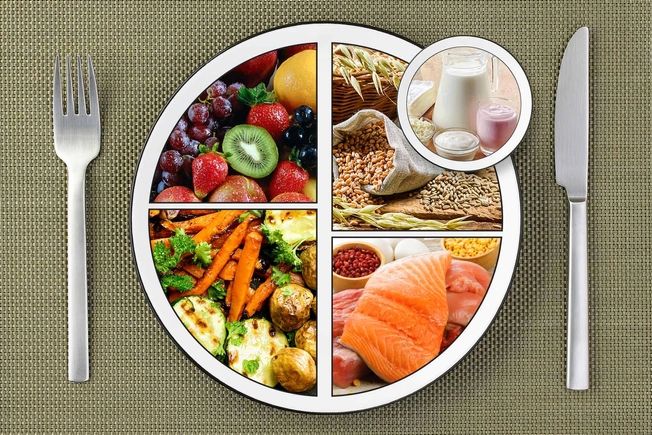
A balanced diet rich in whole foods such as fresh produce, healthy fats, complex carbohydrates, and protein is best for everyone, regardless of fitness goals. Individuals trying to reform their body composition need to focus on bumping up their protein intake, as studies have shown that a high-protein diet is necessary for promoting muscle growth.
Without adequate nutrition, your body enters a catabolic state — meaning it begins to break down existing muscle tissue for energy rather than building new tissue. After age 30, we naturally lose 3–5% of our muscle mass per decade — a condition called sarcopenia — which increases the risk of weakness, poor balance, and falls. Muscle also protects bones and joints, supports your metabolism, and helps reduce inflammation. This makes proper dietary habits not just a fitness concern, but a lifelong health priority.
Protein: The King of Fitness Nutrition
If diet is the foundation of fitness, then protein is the cornerstone of that foundation. Protein provides the amino acids your body needs to repair and build muscle tissue. Without sufficient protein, no amount of training will produce the muscle definition, strength, or body composition changes you are working toward.
For body recomposition, research suggests that 1.5–2.0 grams of protein per kilogram of body weight is optimal. A practical approach is to include 25–30 grams of protein in each meal. The best protein sources include chicken breast, lean beef, fish, eggs, and cottage cheese from animal sources, plus lentils, chickpeas, and tofu for plant-based options.
Science has been incredibly clear on this point. Research showed that during a marked energy deficit, consuming a diet with higher protein was far more effective in promoting increases in lean body mass and losses of fat mass when combined with a high volume of resistance and anaerobic exercise. In simple terms: eat more protein, build more muscle, lose more fat — even when you are cutting calories.
Furthermore, a greater overall muscle protein synthesis rate throughout the day was observed when protein intake was evenly distributed throughout the day rather than concentrated in one meal — suggesting that spreading protein across breakfast, lunch, and dinner is more effective for muscle building than eating most of it at dinner. This is a game-changing insight — it is not just about how much protein you eat, but when and how you spread it throughout the day.
Carbohydrates and Fats: Not Your Enemies
In the age of keto diets and low-carb trends, carbohydrates have been unfairly demonized. The truth is that complex carbohydrates — found in oats, brown rice, sweet potatoes, legumes, and whole grains — are your body’s preferred source of energy, especially during intense workouts. They replenish muscle glycogen, fuel your brain, and support hormonal balance.
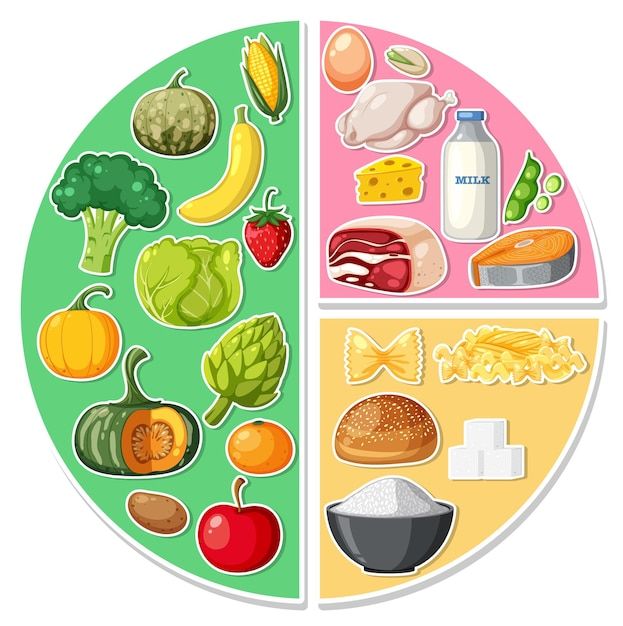
Similarly, healthy fats from sources like avocados, nuts, olive oil, and fatty fish are essential for hormone production, joint health, and the absorption of fat-soluble vitamins like A, D, E, and K. Testosterone — the primary muscle-building hormone — depends heavily on dietary fat for its synthesis. Cutting fat too drastically from your diet can actually lower your testosterone levels, undermining your ability to build muscle and recover from training.
The ideal fitness diet includes all three macronutrients in the right proportions: lean protein to build and repair, complex carbs to fuel performance, and healthy fats to support hormonal and cellular health.

Hi, this is a comment.
To get started with moderating, editing, and deleting comments, please visit the Comments screen in the dashboard.
Commenter avatars come from Gravatar.